 3,317 Shopify stores already joined the waitlist! Early access
perks live now.
3,317 Shopify stores already joined the waitlist! Early access
perks live now.
3,317 Shopify stores already joined the waitlist! Early access
perks live now.
A fulfillment center is a logistics facility where ecommerce businesses store inventory and execute the physical side of order fulfillment: receiving stock, picking, packing, shipping, and processing returns. It’s the operational link between a brand’s storefront and the customer’s doorstep, designed to move single-unit ecommerce orders quickly rather than hold bulk pallets in long-term storage.
Most fulfillment centers are run by third-party logistics (3PL) providers like Amazon FBA, ShipBob, or regional 3PLs. The model is straightforward: a merchant ships inventory in, integrates the storefront and order management system with the 3PL’s software, and each order is processed automatically as it comes through. Outsourcing also unlocks negotiated carrier rates and distributed inventory across multiple locations, which are hard to replicate in-house.
It helps to distinguish a fulfillment center from related facility types:
For DTC and subscription brands, fulfillment centers also handle recurring shipments, subscription box assembly, custom inserts, and exchanges. The main alternative is drop shipping, where the supplier ships directly to the customer and the merchant never holds inventory, eliminating the need for a fulfillment center entirely.
An ecommerce brand selling eco-friendly home goods partners with a 3PL fulfillment center. The merchant ships pallets of inventory in. When a customer places an order on Shopify, it’s pushed automatically to the 3PL’s system. A picker pulls the item, packs it with the brand’s custom insert, applies the shipping label, and hands the package to the carrier. The merchant never touches the product, and the customer sees only the brand.
Before signing with a fulfillment partner, confirm three things: it integrates cleanly with your ecommerce platform and any subscription or order management tools in your stack; it can handle returns, exchanges, and recurring subscription shipments (not just one-time orders); and its location footprint maps to where your customers actually live, so transit times stay competitive.



November 3, 2025
5 Quick Ways to Prepare Your Shopify Store for the Holiday Season
August 11, 2026
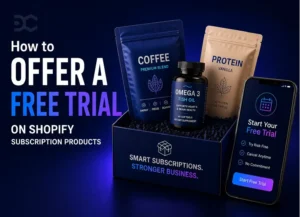
How to Offer a Free Trial on Shopify Subscription Products

