3,317 Shopify stores already joined the waitlist! Early access
perks live now.
3,317 Shopify stores already joined the waitlist! Early access
perks live now.
3,317 Shopify stores already joined the waitlist! Early access
perks live now.
Ecommerce, or electronic commerce, is the buying and selling of products or services over the internet. It spans brand websites, online marketplaces, mobile apps, social storefronts, and recurring purchase models like subscription commerce, which is one of the fastest-growing segments of online retail. Whether a customer is buying clothing, booking a service, or signing up for a monthly product plan, ecommerce connects buyers and sellers directly through digital channels without the need for a physical storefront.
Ecommerce lets brands sell to buyers anywhere, operate without the overhead of a physical store, and collect first-party data they can use to personalize offers, pricing, and product recommendations. For Shopify and DTC merchants, it also makes growth measurable: the ecommerce conversion rate is the primary measure of how effectively a store turns visitors into buyers, which is why most online businesses build their acquisition and retention strategy around improving it.
There are four primary ecommerce business models:
A shopper visits a website or app, browses products, adds items to a cart, and pays online. The store runs on an ecommerce platform that powers the storefront, checkout, and order management, while a payment processor secures the transaction. Once payment clears, the order moves to fulfillment and shipping for physical goods, or to instant access for digital ones.
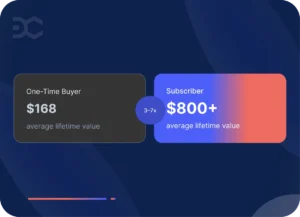
A customer buying a monthly subscription box from a Shopify store, downloading software after online checkout, or ordering groceries through a mobile app are all everyday examples of ecommerce.
Pick one ecommerce model and one sales channel to win first. Once you have repeat buyers and predictable unit economics, layer in subscriptions, bundles, or additional channels, adding complexity too early usually slows growth instead of accelerating it.