How to Reduce Post-Holiday Subscription Churn and Protect Recurring Revenue
- Updated: December 9, 2025
Table of Contents
Churn often climbs right after the holidays. Budgets tighten, gift subscriptions end, and many customers decide to simplify their spending. This shift can quietly cut into your subscription revenue if not addressed early.
Many brands focus on acquisition during Q4, but the real challenge is what comes next. A surge in new subscribers also brings higher risk of cancellations, some planned, others preventable. Protecting recurring revenue in Q1 requires understanding the patterns behind churn and acting before it hits.
This guide walks through why churn increases after the holidays, how customer retention and churn are linked, and what steps you can take to reduce subscription churn now. You’ll find practical strategies, ready-to-use workflows, and ways to strengthen the post-holiday subscriber experience.
What Triggers Customers to Cancel After the Holidays

Once the holiday rush fades, many merchants see a sharp rise in subscription cancellations. The surge in Q4 signups often comes from gifting or limited-time promotions, meaning not every subscriber is in it for the long haul. To protect your recurring revenue in Q1, you need to understand what drives this churn and how to reduce it before it impacts your growth.
Why Churn Increases After the Holidays
Many holiday subscribers joined through discount-driven or gift-triggered decisions. They may not have chosen the product for themselves, or only intended it as a one-time gesture. Once the occasion ends, so does the perceived value unless you re-engage them quickly.
Psychological and Behavioural Drivers Behind January Cancellations
Buyers enter January in a different mindset: reset, declutter, save. This shift means subscriptions can feel like “excess,” especially if there’s no emotional connection or habit built. Low subscriber engagement in the first few weeks is often a leading churn indicator.
Financial Triggers That Amplify Churn
Post-holiday credit card debt and higher expenses mean even happy customers might cancel. Involuntary churn also rises as failed payments become more common. Use dunning tools or gentle retry flows to recover these accounts before they lapse.
Understanding these subscription cancellation reasons arms you with the insight needed to build smarter retention strategies. Tackling them early is the key to learning how to reduce customer churn and keep your revenue steady into Q1.
Voluntary vs. Involuntary Churn: What’s Really Hurting Your Revenue

Not all churn is the same and if you’re trying to reduce cancellations without knowing why customers leave, you’re flying blind. Subscription brands often focus on the obvious exits (manual cancellations), while ignoring the silent revenue leak: failed payments. Understanding both voluntary churn and involuntary churn is key to building a real customer churn prevention strategy.
Voluntary Churn: When Customers Choose to Cancel
This is the visible type of churn. A customer logs in, clicks “cancel,” and exits your subscription. Their reasons range from lack of perceived value, shipping issues, confusing terms, or simply no longer needing the product. While it’s harder to stop, it’s also rich in feedback. Exit surveys, flexible options, and engagement emails can make a big difference here.
Involuntary Churn: When Payments Fail Automatically
These cancellations happen without customer intent. A card expires. A charge fails. The system retries and then drops the subscriber. Many stores lose thousands to involuntary churn and never realise it. The fix? Use smart dunning flows, payment retries, and card updater tools to catch issues early.
How Each Type Impacts MRR, LTV, and CAC Recovery
Voluntary churn hurts retention and customer lifetime value. Involuntary churn drains monthly recurring revenue without warning and it also wastes your customer acquisition cost if you lose the buyer before you break even. Both require active management to protect revenue, especially after Q4.
Effective Ways to Reduce Subscription Churn After the Holidays
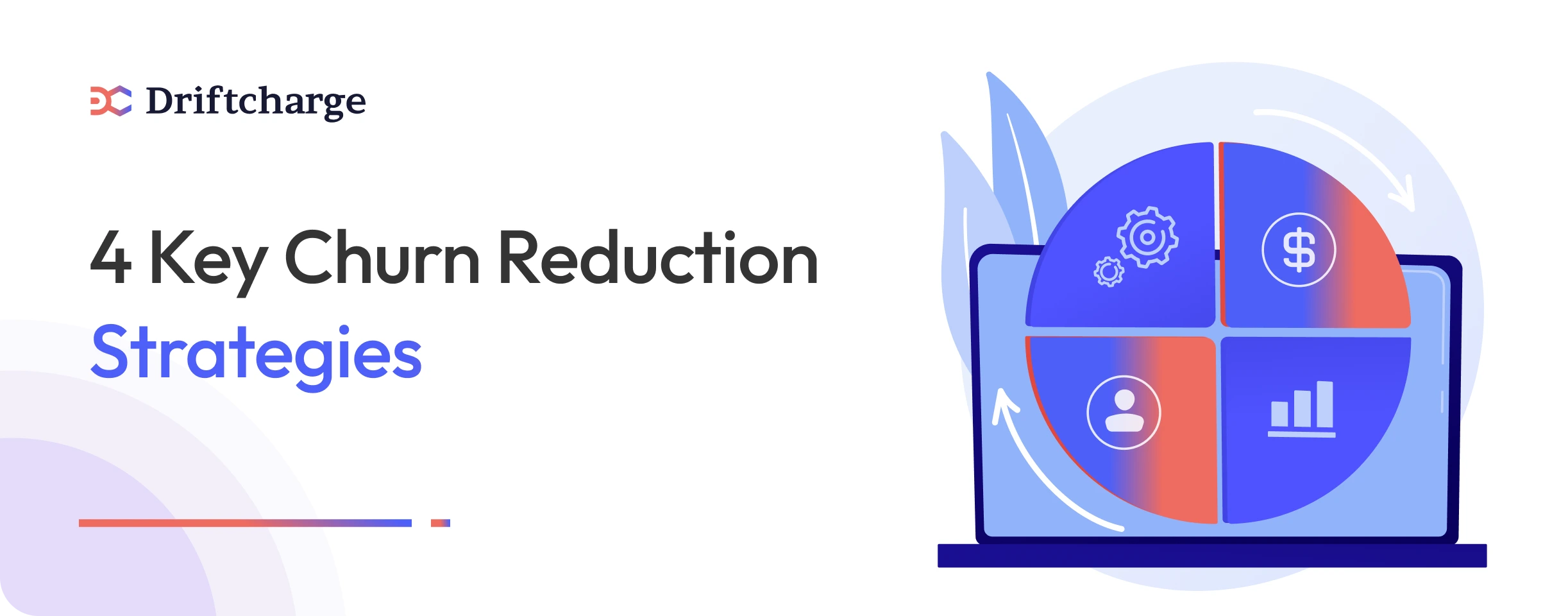
The subscription drop-off after the holidays is predictable, but it is also preventable. To reduce subscription churn, you need more than generic email reminders. It takes a proactive, multi-touch approach built around retention optimization and real subscriber behavior.
Strengthen Pre-Renewal Communication
Most churn happens just before the next charge. Merchants often avoid reminders out of fear, but silence only increases cancellations. Instead, send a helpful pre-renewal email that recaps what’s coming, why it matters, and how to manage the subscription. Clarity builds trust, and trust keeps customers subscribed.
Reduce Voluntary Churn With Flexible Options (Pause, Skip, Swap)
Rigid plans create friction. When customers feel trapped, they cancel. Offering simple controls, pause, skip, or swap a product, reduces voluntary churn while giving subscribers a sense of control. This is especially valuable in January when holiday fatigue and budget resets hit hard.
Combat Involuntary Churn With Smarter Billing Recovery
Involuntary churn drains recurring revenue without warning. The fix starts with smart dunning flows, automated emails that notify customers of failed payments with links to update cards. Add retry logic to billing systems and integrate card updater tools if your platform supports them. Recovering just a fraction of failed charges can lift your MRR significantly.
Personalise Retention Offers and Incentives
Not all subscribers cancel for the same reason. Some may want a discount; others might be more interested in exclusive perks or early access. Use behaviour-based segmentation to trigger the right incentive. For example:
- “Take 15% off your next box” for low-engaged users
- “Get a bonus item” for long-time subscribers at risk
- “Switch to a quarterly plan” for cost-sensitive churners
These subscription retention strategies work because they are rooted in context, not guesswork.
Building a post-holiday churn prevention plan is not about guessing what customers want. It is about anticipating their needs, removing friction, and communicating value at the right time.
Retention Workflows You Should Set Up for January and Beyond

If you want to stop subscription churn before it starts, you need more than good intentions; you need reliable workflows. These automated sequences keep subscriber engagement high when most brands go silent. Below are four essential flows that help retain revenue and relationships after the holidays.
Pre-Renewal Reminder Workflow
Send a reminder 5-7 days before the next charge. The email should clearly state:
- What they’re getting
- When they’ll be billed
- How to make changes
Include links to pause, skip, or swap. This transparency reduces anxiety and builds trust, two major drivers of continued retention.
Failed Payment Recovery Workflow
Start your billing recovery process as soon as a payment fails. A strong workflow includes:
- 2-3 retry attempts spaced over a few days
- Email/SMS alerts with a direct link to update billing
- A final “Last Chance to Keep Your Subscription” message
This is critical for recovering subscriber engagement lost to passive churn.
Cancellation-Intervention Workflow
When a user clicks “cancel,” do not just confirm it. Trigger a smart exit flow:
- Ask for the cancellation reason
- Offer an alternative: pause, skip, or switch plans
- Present a tailored incentive based on user behaviour
This is often your last chance to retain the subscriber; make it count.
January Win-Back Workflow
For those who churn, your goal is to re-engage without being pushy.
- Send a short “We’d love to have you back” message
- Remind them of the value they experienced
- Include a time-limited offer or bonus to return
These flows are not optional; they are your front line in the battle to keep holiday-acquired subscribers around for the long term.
Ready-to-Use Retention Messaging Templates
Effective messaging is the foundation of churn prevention, especially after the holiday rush. Below are four ready-to-send templates that reduce friction, rebuild value, and keep your subscribers engaged when they’re most likely to leave.
Pre-Renewal Reminder Email
Subject Line: Your next delivery is almost ready!
Body:
Your subscription renews in 5 days. Need to make a change?
- [Pause this month]
- [Skip your next box]
- [Update your product or plan]
Manage everything in just one click.
Failed Payment Recovery Email
Subject Line: Trouble with your payment, let’s fix it
Body:
We tried to renew your subscription, but the payment did not go through.
No worries, just update your billing info here: [Update Now]
We’ll retry automatically in 48 hours.
“Pause Instead of Cancel” Message
On Cancellation Click Trigger:
Thinking of leaving?
Instead of canceling, why not pause your subscription for a month or two?
You won’t lose your progress, perks, or pricing.
Post-Holiday Win-Back Email
Subject Line: We saved your favourite plan (for a limited time)
Body:
Miss your subscription? For the next 5 days, you can restart at your original holiday rate.
Rejoin today and receive a bonus gift in your next box.
These quick, proven messages play a big role in reducing churn while keeping communication human and helpful.
How to Protect and Grow Your Recurring Revenue All Year
Holiday momentum fades quickly if your systems are not built for long-term retention. To protect your recurring revenue and reduce unnecessary losses, your retention efforts need to be baked into the full customer journey, not just post-holiday.
Convert Holiday Buyers Into Loyal Subscribers
Start with clear upgrade paths. Offer holiday buyers a simple way to continue their experience, whether through exclusive perks, first renewal discounts, or reminders to convert to a full subscription.
Improve Subscription UX for Higher Retention
Frustrated subscribers cancel. Make it easy to pause, skip, swap, or manage preferences in just a few taps. A smoother experience directly improves customer retention and churn outcomes.
Maintain Engagement With Value-Focused Touchpoints
Ongoing value beats aggressive upsells. Send periodic emails with usage tips, loyalty rewards, or surprise bonuses to remind subscribers why they signed up, and why they should stay.
Long-term retention starts with keeping the experience effortless, rewarding, and clearly valuable.
Key Takeaways to Improve Retention and Reduce Churn
If you want more predictable growth, stop letting hard-earned subscribers slip away. Post-holiday churn is preventable, with the right messaging, automation, and flexibility.
Here’s what to remember:
- Most churn happens before or during the first renewal, focus there first
- Flexible options reduce cancellations before they happen
- Smart workflows protect revenue without requiring constant oversight
- Subscriber engagement drives long-term loyalty
Retention is not just support; it is strategy. If you are looking for how to reduce churn rate, start by fixing the gaps that appear right after the holidays.
Your revenue will thank you.
FAQ
1. Why do subscription cancellations spike in January?
Buyers often subscribe during holiday deals, but without strong onboarding or retention flows, many cancel when the first renewal hits. Budget resets and gift fatigue are common subscription cancellation reasons.
2. How can I reduce failed payments after the holidays?
Use smart retry logic, multiple billing attempts, and proactive reminders to prevent involuntary churn. Payment failures should trigger automated recovery flows, not lost revenue.
3. What are the key benefits of offering flexible subscription options to reduce churn?
Flexibility builds trust. Pause, skip, or swap options to reduce pressure and increase satisfaction, essential for customer churn prevention post-holiday.
4. How do payment failures contribute to subscription churn and how can they be addressed?
They silently end subscriptions. Without recovery tools or reminders, failed charges become lost customers. Automate retries to reduce subscription churn efficiently.
5. How to reduce subscription churn for DTC?
Build retention into every stage, welcome flows, value messaging, flexible plans, and churn-blocking automation. Long-term loyalty requires systems designed to reduce subscription churn from day one.
Most Shopify subscribers cancel in month 3, not because of price, but because nothing pulled them back. Driftcharge helps you fix that with cancellation prevention, flexible pause and skip options, and subscriber analytics built specifically for Shopify. Stop losing subscribers you could have saved.

Ganesh Pawar


Join the waitlist now
Limited early access. Early joiners receive additional discounts on premium features.
Discover how