Holiday Ecommerce Strategy 2026: Turn Seasonal Sales into Year-Round Growth
- Updated: November 14, 2025
Table of Contents
The holiday season is already here. BFCM is just days away, and for many brands, the next six weeks will decide how strong the year finishes. But the most successful ecommerce stores are already thinking beyond that. They are using the surge in traffic and attention to set the stage for growth in 2027. With the right strategy, the end of this year can become the beginning of your next big opportunity.
Why a Strong Holiday Ecommerce Strategy Matters in 2026
The way people shop during holidays in 2026 looks very different from just a few years ago. Shoppers are no longer browsing casually. They are intentional, mobile-first, and heavily influenced by urgency, convenience, and brand values. Competition is higher, attention is shorter, and every step of the buying journey matters more.
A clear holiday ecommerce strategy helps you meet that moment, not just to capture traffic, but to convert it with purpose. It aligns your campaigns, inventory, promotions, and fulfillment around a shared goal: turning seasonal demand into long-term revenue.
For Shopify stores using subscriptions, the stakes are even higher. The holidays bring an influx of new customers and gift buyers. With the right systems in place, you can turn those short-term sales into recurring revenue, stronger retention, and higher customer lifetime value.
Holiday marketing strategies built on data, speed, and customer experience are what separate short-term spikes from sustained growth. The rest of this guide shows you how to build exactly that.
What Last Year’s Data Can Teach You About Holiday Success
Every strong holiday ecommerce strategy starts with a look back. Data gives you clarity about what worked, what underperformed, and where you left revenue on the table. Start by pulling metrics from last year’s campaigns, landing pages, emails, and checkout funnel. Look at both performance peaks and weak spots.
Shopify merchants hit $11.5 billion in sales during BFCM 2024, a new record that signals rising consumer demand, but also sharper competition. The stores that scaled were tracking more than just revenue. They looked at conversion rates, bounce rates, traffic sources, repeat purchase behavior, and post-holiday retention.
For subscription brands, this is where the real insight begins. One-time holiday sales are helpful, but long-term value comes from tracking renewal rates, churn, and prepaid gift conversion into recurring customers.
Set this year’s goals with data, not guesswork. Blend acquisition targets with retention KPIs. Use last year’s performance to shape smarter offers, better timing, and clearer messaging. That is how top-performing stores turn short-term momentum into long-term growth through ecommerce holidays.
Plan Products, Inventory, and Deals for December Holidays
Your product strategy for the December holidays should be driven by data, not gut feeling. Start with a clear picture of last year’s top sellers, slow movers, and missed opportunities. Then layer in trend forecasts and seasonal demand curves to refine your offer lineup. Tools like Shopify’s inventory reports or third-party analytics apps can help you forecast more accurately and avoid overstock or sellouts.
In the Shopify holiday market, gift bundles, curated boxes, and limited-time drops consistently drive higher average order value. These work well across verticals, from wellness to home goods and help buyers feel like they’re gifting something complete and thoughtful.
Subscription brands face an extra layer of strategy. Balance one-time holiday deals with clear incentives for longer-term plans. Prepaid gifting, bonus months, or exclusive early-bird access can boost conversions without undercutting lifetime value.
Finally, get logistics aligned early. Order volume spikes, and delays are costly. Build your fulfillment calendar in advance, work with shipping partners, and consider padded delivery timelines to protect the customer experience.
The brands winning in this year’s holiday ecommerce trends are planning now and planning precisely.
Marketing Strategies That Drive Quality Traffic and Conversions
Your holiday marketing strategies need more than discounts and ad spend. The goal is not just reach, it is to attract high-intent shoppers who are ready to convert and come back again. That means diversifying your channel mix with clear roles for each. Paid ads create visibility. Email nurtures intent. SMS adds urgency. Influencer partnerships build trust in the moments that matter.
Early-access campaigns continue to perform well during the Shopify holidays. These limited-time offers reward loyal customers and segment high-value traffic before the noise of peak season kicks in. Use countdowns, gated pages, or subscriber-only perks to make early access feel exclusive and time-sensitive.
Content-driven campaigns work especially well in ecommerce holiday marketing. Tell stories behind your products. Share customer reviews. Run UGC contests that tie into seasonal gifting. Emotion moves faster than features during the December holidays.
If you offer subscriptions, now is the time to spotlight them. Position “gift subscriptions” as a no-hassle way to give joy that lasts beyond the unboxing. Test promotions like “first box free,” bonus items, or free shipping on prepaid plans. Highlight simplicity, flexibility, and personal value.
When your messaging speaks directly to buyer intent, traffic becomes conversions, and conversions become loyalty.
Create a Smooth and Memorable Holiday Shopping Journey
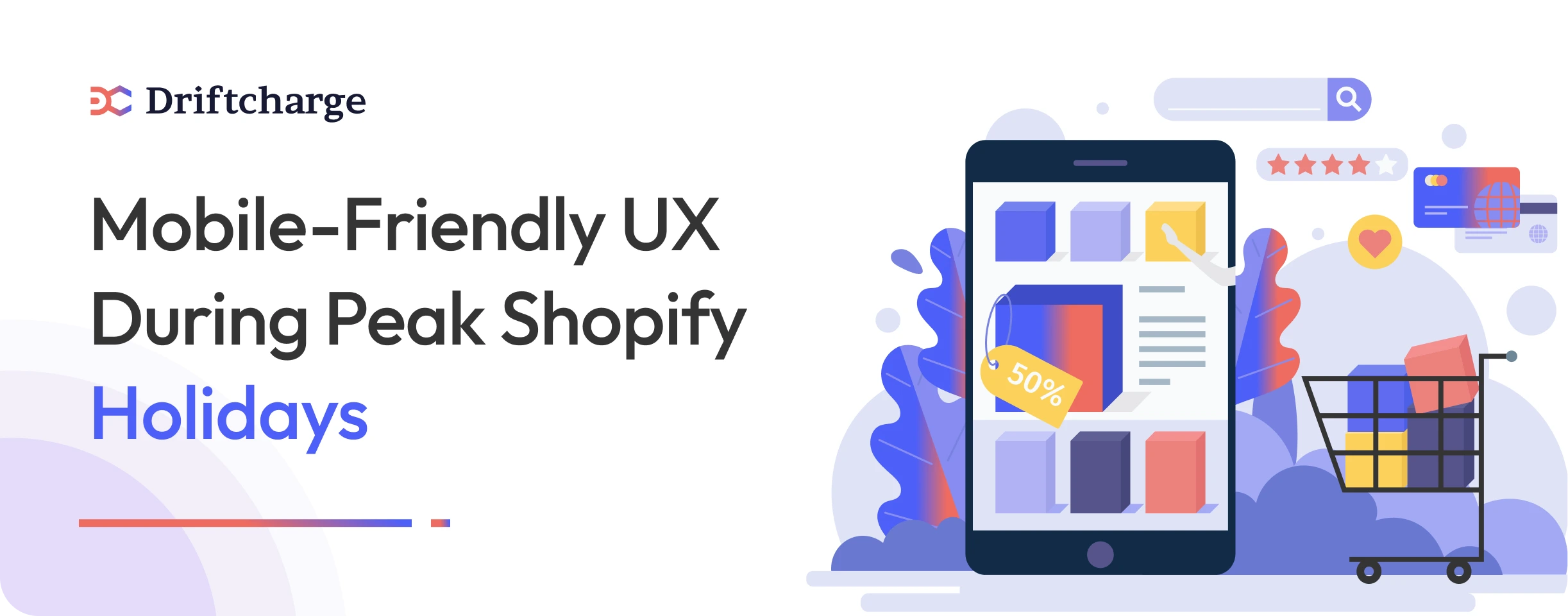
A successful holiday ecommerce strategy depends on more than promotions. The way your store feels, functions, and follows through plays a bigger role in whether visitors buy and return. Start by reviewing your buyer journey from homepage to checkout. Is it fast on mobile? Easy to navigate? Clear on what happens after the order is placed?
During peak ecommerce holidays, simplicity builds confidence. Product pages should load quickly, showcase value clearly, and make next steps obvious. At checkout, transparency matters most show pricing breakdowns, shipping timelines, and return policies without friction. Buyers will not tolerate surprises in December.
Use first-party data and AI tools to personalize what customers see. Show recently viewed items, gifting suggestions, or urgency cues that reflect their behavior. Personalization helps shoppers feel understood, and it helps stores boost conversion rates.
For subscription stores, make recurring value part of the holiday story. Emphasize flexible plans, pause/skip options, and easy gift transfers. Use this season to reduce friction and build trust upfront.
Finally, think beyond the transaction. Branded unboxing experiences, welcome emails, and quick-start guides can turn a one-time buyer into a long-term fan. These small moments feed into holiday loyalty programs and help you carry momentum into the new year.
How to Keep Holiday Shoppers Coming Back After the Sale
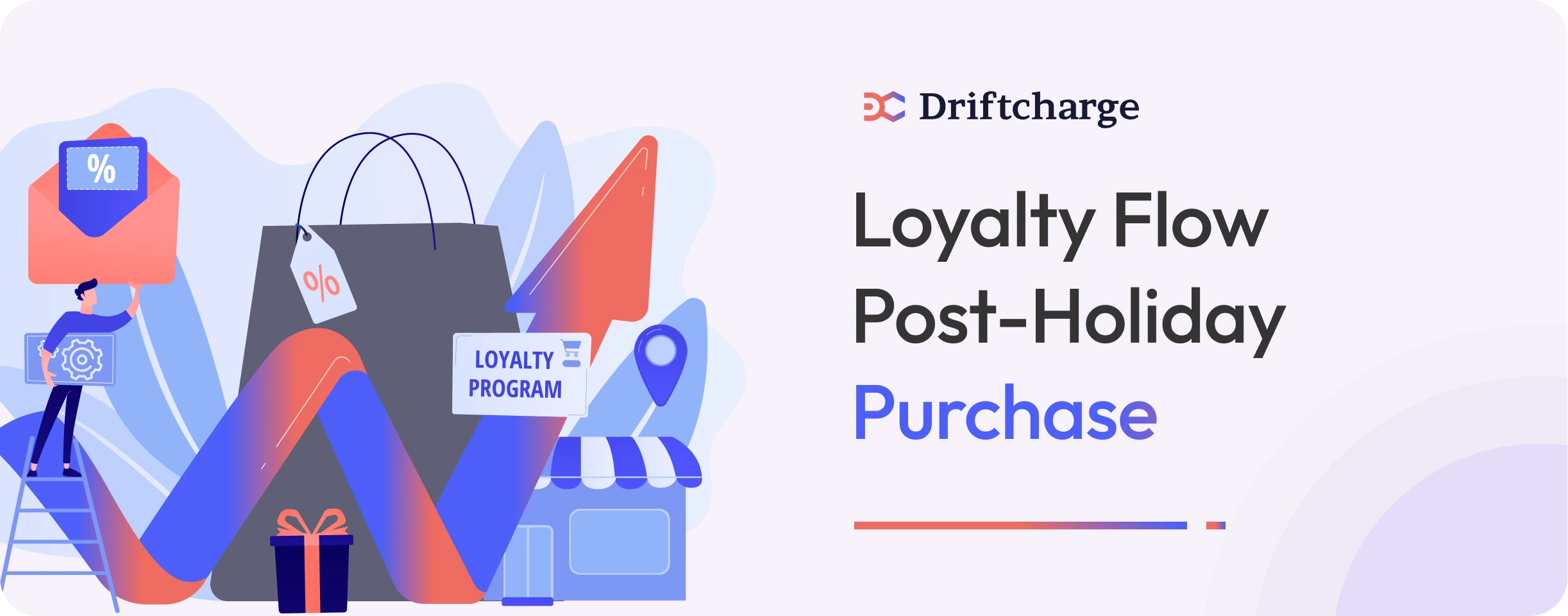
The biggest mistake most brands make after the holidays? Going quiet. Post-purchase silence leads to high churn, especially after the ecommerce holidays, when buyer fatigue and inbox overload are at their peak. Shoppers may have found you during a deal, but staying top of mind after the discount is what drives long-term growth.
A smart holiday ecommerce strategy always includes retention. Here’s how to make it count:
- Send thank-you and follow-up emails that feel personal, not promotional.
- Launch a loyalty program offering early access, VIP perks, or rewards for referrals and reviews.
- Trigger subscription reminders like “Your next box is coming soon” or “Want to skip a month?” to stay proactive.
- Test win-back offers like bonus items or limited-time upgrades to encourage renewals.
- Build community touchpoints, surveys, invite-only events, or post-holiday content that gives customers a reason to stay engaged.
The best holiday loyalty programs are not just about rewards. They’re about relationships. When your follow-up feels thoughtful, customers remember, and they come back even after the season ends.
Turn Your Holiday Strategy into Year-Round Growth
A winning holiday ecommerce strategy does more than capture seasonal spikes, it builds the foundation for sustained growth. The most successful Shopify stores focus equally on acquisition and retention, turning holiday shoppers into loyal customers with thoughtful post-purchase experiences.
Every part of your plan, from product bundles to loyalty programs, should point toward long-term value. For many brands, flexible subscription models are the key to extending momentum beyond the Shopify holidays, especially when paired with smart segmentation and personalized offers.
As you close out 2026 and move into 2027, let the lessons from this season guide your year-round strategy. The work you put in now shapes every campaign that comes next.
FAQs: Holiday Ecommerce Strategy for Shopify Stores
1. When should I start planning my holiday ecommerce strategy?
Start by early Q3 at the latest. Planning ahead gives you time to test campaigns, prep inventory, and avoid last-minute pressure. Top-performing merchants often lock in their holiday ecommerce strategy by late summer.
2. What are the most important KPIs to track during the holidays?
Beyond total revenue, track conversion rate, average order value, cart abandonment, customer acquisition cost, and for subscription brands churn rate and retention. These holiday ecommerce metrics reveal where you’re making profit vs. just making sales.
3. How do I keep customers engaged after the holidays?
Use loyalty programs, personalized emails, and post-purchase flows to stay relevant. Brands that continue the conversation into January often outperform those that go silent. It’s the fastest way to build long-term value after Shopify holidays peak.
4. Can small stores compete with big brands during ecommerce holidays?
Absolutely. The key is focus tailor your offers, tell a clear story, and deliver a smooth shopping experience. Niche brands that act early and communicate clearly can stand out even in crowded ecommerce holidays.
5. How can subscription brands reduce churn after BFCM?
Set expectations upfront, offer flexible pause or skip options, and trigger timely renewal nudges. Personalization is key especially when turning one-time gift recipients into loyal customers.

Ganesh Pawar

Join the waitlist now
Limited early access. Early joiners receive additional discounts on premium features.
Discover how


You may also like

January 7, 2026
Gift Subscriptions on Shopify: Your 2026 Holiday Growth Guide
December 16, 2025
How to Start a Coffee Subscription Business That Actually Works