3,317 Shopify stores already joined the waitlist! Early access
perks live now.
3,317 Shopify stores already joined the waitlist! Early access
perks live now.
3,317 Shopify stores already joined the waitlist! Early access
perks live now.
Business-to-Consumer (B2C) refers to the model where businesses sell products or services directly to individual customers. It’s the most common form of ecommerce, used by online retailers, subscription box companies, streaming services, DTC brands, and most stores running on Shopify.
The B2C meaning centers on serving the end consumer. Instead of selling to other companies, B2C brands focus on delivering value, convenience, and an engaging shopping experience to individuals buying for personal use. B2C purchases are usually fast, often emotionally driven, and can include impulse buys, especially with familiar brands or low-priced products.
B2C also covers several common sub-models: traditional ecommerce retailers, marketplaces like Amazon and Etsy, subscription-based services like Netflix and meal kits, and DTC brands that own the entire customer relationship from product to checkout.
B2C and business-to-business (B2B) differ across several dimensions:
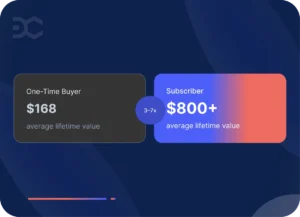
A Shopify store selling skincare products to individuals on a monthly subscription is a classic B2C business. The customer browses the site, places an order or signs up for a recurring shipment, and the brand fulfills the product directly. Other recognizable B2C examples include Amazon, Netflix, and Spotify, alongside DTC brands like Glossier and Allbirds. B2C subscription companies in particular have grown sharply in the last decade, because the model combines convenience for the shopper with built-in customer retention for the brand.
If you’re building a B2C subscription business on Shopify, focus on personalization, fast checkout, and clear communication. Ecommerce personalization, transparent billing, and self-serve account management consistently lift retention and turn one-off shoppers into long-term subscribers.